Category:

Uncategorized

School Buses for Sale: How To Choose the Right Bus

Ready to upgrade your fleet? Our experts help districts choose the perfect bus.

View Our Inventory & Get Quotes

Districts evaluating school buses for sale in 2026 are no longer making simple “size and price” comparisons.

Instead, procurement teams are building long-term fleet strategies based on:

  • total cost of ownership
  • route efficiency
  • safety technology integration
  • powertrain selection (diesel, gas, electric)
  • maintenance predictability
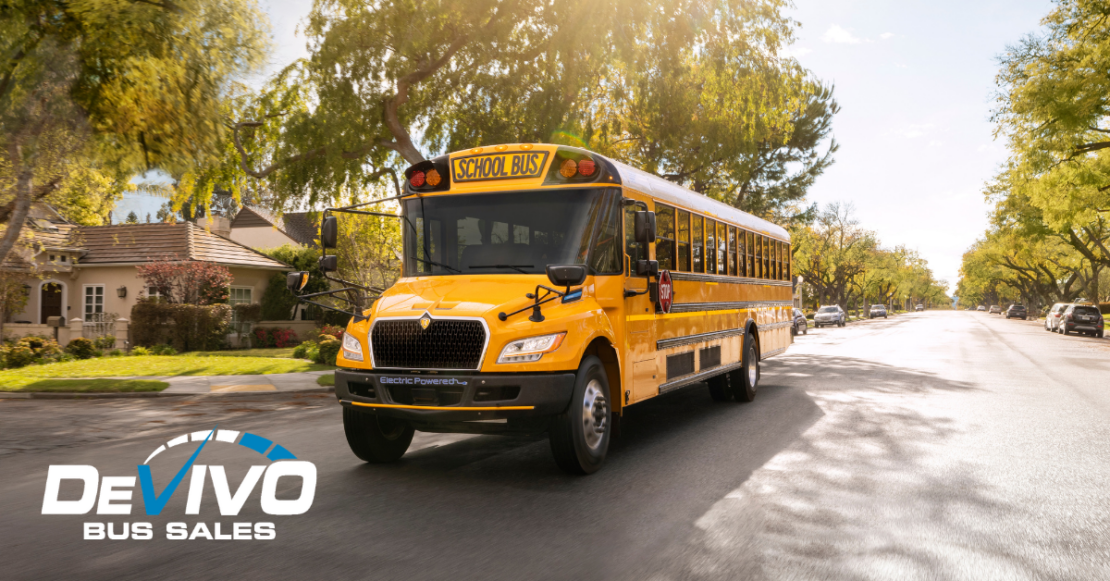
electric IC school bus driving down a residential road on a sunny day

1. Start With Fleet Needs, Not Bus Types

Before comparing models or manufacturers, districts should clearly define operational requirements.

Key considerations include:

  • Route structure (urban, suburban, rural, or mixed)
  • Daily ridership volume and peak demand
  • Special transportation needs (ADA, special education, early childhood)
  • Replacement cycle strategy (10–15 year planning horizon)
  • Budget structure (upfront capital vs. lifecycle cost focus)

This step determines everything that follows: including bus type, fuel strategy, and manufacturer selection.

2. School Bus Types Still Provide the Foundation, But Not the Full Answer

While fleet strategy has evolved, Type A, C, and D classifications remain the baseline structure for most districts.

Type A Buses (Small Capacity / High Flexibility)

Type A buses are typically used for smaller routes and specialized transportation needs.

Common use cases:

  • Special education routes
  • Early childhood programs
  • Low-capacity or narrow-route environments

Primary OEM focus:

These vehicles are valued for maneuverability, efficiency in small-group transport, and operational flexibility.

Type C Buses (Core District Fleet Standard)

Type C buses remain the backbone of most school transportation fleets.

Common use cases:

  • Standard K–12 transportation routes
  • Mixed-density suburban and urban routing
  • General-purpose daily fleet operations

Primary OEM focus:

Type C buses continue to be the most widely deployed configuration due to their balance of capacity, durability, and long-term service support.

3. Fleet Powertrain Strategy: Diesel, Gas, and Electric Are Now Coexisting

One of the most important shifts in 2026 procurement is the move toward multi-powertrain fleets.

Districts are no longer asking “what replaces diesel,” but instead: “Which powertrain fits which route profile?”

Diesel (Still the Operational Baseline)

Diesel remains widely used for:

  • high-utilization routes
  • long-distance daily runs
  • established maintenance ecosystems

It continues to serve as the reliability benchmark for heavy-duty school transportation.

Gasoline (Selective Use Cases for Operational Flexibility)

Some districts have incorporated gasoline-powered buses into specific route profiles where:

  • maintenance simplicity is prioritized
  • routes are shorter or lower intensity
  • fleet diversification improves uptime flexibility

Gas is not a replacement strategy, it is a selective fleet optimization tool.

Electric (Emerging Long-Term Transition Segment)

Electric school buses are increasingly part of long-term planning conversations, particularly for:

  • sustainability initiatives
  • lower-emission zone compliance
  • reduced mechanical maintenance requirements

However, adoption is still highly dependent on:

  • infrastructure readiness (charging capacity)
  • route length and duty cycle compatibility
  • upfront capital investment considerations

Electric buses are best viewed as a parallel transition pathway, not a universal replacement for diesel or gas fleets.

4. Safety Systems Are Now a Core Procurement Requirement

Safety technology is a procurement baseline.

Modern school buses increasingly include integrated systems designed to improve visibility, driver awareness, and passenger protection.

Common Integrated Safety Systems:

  • Collision mitigation and driver assistance systems
  • 360-degree camera and sensor visibility packages
  • Enhanced LED stop arms and exterior lighting systems
  • Child check alert systems for post-route verification

These systems are increasingly evaluated alongside capacity and cost, not after them.

5. Air Quality, Comfort, and Interior Environment Matter More Than Ever

Districts are placing greater emphasis on passenger environment quality, especially for longer routes and younger student populations.

Modern buses may include:

  • Enhanced HVAC performance systems
  • Improved airflow and cabin circulation design

These upgrades contribute to both rider comfort and operational consistency.

6. Total Cost of Ownership Is the Real Decision Metric

Upfront price is only one part of the decision.

Districts are increasingly evaluating:

  • maintenance frequency and repair complexity
  • fuel or energy cost over time
  • vehicle uptime reliability
  • long-term resale value
  • route efficiency per vehicle

A lower-cost bus that requires higher maintenance or reduces uptime can ultimately increase total fleet cost over time.

7. New vs. Used School Buses: Both Play Strategic Roles

Both new and used buses serve important functions in modern fleet planning.

New buses:

  • latest safety and efficiency systems
  • predictable early-life maintenance cycles
  • long-term fleet standardization benefits

Used buses:

  • faster fleet expansion or replacement
  • budget flexibility for capital-limited districts
  • transitional assets during fleet modernization

The right choice depends on how the vehicle fits into the broader fleet lifecycle strategy.

8. Common Mistakes Districts Make When Buying School Buses

Even experienced procurement teams can run into avoidable challenges.

1. Buying based on upfront price only

Lowest purchase price does not always equal lowest lifecycle cost.

2. Not aligning bus type with route structure

Oversized or undersized buses can reduce efficiency and increase operational strain.

3. Ignoring maintenance ecosystem differences

Different manufacturers and powertrains require different service planning.

4. Treating powertrain selection as a single-fleet decision

Modern fleets often benefit from a mixed diesel, gas, and electric strategy.

5. Underestimating safety technology value

Safety systems increasingly impact liability, driver retention, and operational risk.

Ready to Explore School Buses for Sale in New England?

Whether upgrading a single route or planning a full fleet transition, selecting the right school bus requires aligning operational needs with long-term transportation goals.

DeVivo Bus Sales works with districts across New England to evaluate fleet requirements, compare available inventory, and support procurement decisions across new and used inventory.

Talk to a School Bus Specialist

Get help selecting the right combination of Type A, C, diesel, gas, or electric buses for your district’s needs.

By 0 Comments

Choosing the Right Commercial Bus: Shuttle vs. Transit vs. Van

Commercial Shuttle Buses 2026: Shuttle vs. Transit vs. Van (Comparison Guide)

Not sure which vehicle is right for your business? Our experts help you choose.

View Our Commercial Fleet & Get Quotes

When it comes to transporting groups, whether for airport shuttles, hotel guests, healthcare patients, corporate teams, or sports teams, choosing the right vehicle is critical. You need something safe, reliable, and cost-effective. But with options ranging from passenger vans to full-size transit buses, how do you decide?

Image

Ready to Find Your Perfect Commercial Vehicle?

DeVivo Bus Sales works with hotels, healthcare facilities, corporate offices, sports organizations, and community groups to match them with the right transportation solution. From Collins MPVs to full transit buses, we have options for every need and budget. Contact us.

Quick Comparison: Your Main Options

Before diving into details, here’s a quick overview of your main transportation options:

Feature Shuttle Van Shuttle Bus Transit Bus
Passenger Capacity 6-20 8-30 25-40+
CDL Required? Usually No Varies by size Yes
Best For Small groups, valet Small-medium groups High capacity routes
Fuel Economy 8-12 MPG 6-8 MPG 5-7 MPG

Your Vehicle Options Explained

Option 1: Shuttle Vans (6-15 Passengers)

Best Platforms: Ford Transit, Mercedes Sprinter

Shuttle vans are the smallest commercial transportation option and are built on automotive chassis with custom interiors. They offer a refined ride and modern appearance, making them popular for hotel shuttles, small business transportation, and airport transfers.

Typical Passenger Count: 6-15 passengers
Engine Options: 3.5L V6 (275 hp) or EcoBoost (300 hp)
Fuel Economy: 8-12 MPG
Driver License: Standard (no CDL required)
ADA Accessible: With modifications (lift/ramp available)

Why Choose a Shuttle Van?

  • Lower cost and fuel consumption
  • Easier to park and maneuver in cities
  • Refined ride quality and modern interior
  • No CDL requirement simplifies staffing
  • Perfect for small group transportation and valet services

Considerations:

  • Limited passenger capacity (not ideal for large groups)
  • Less durability for heavy daily use
  • Safety features are standard commercial vehicle level (not specialized for group transport)
  • Less professional appearance compared to dedicated shuttle buses

Option 2: Shuttle Buses (8-30 Passengers)

Examples: Collins MPV, Type A buses

Shuttle buses split the difference between vans and full transit buses. These compact buses offer more capacity and built-in safety features compared to vans, while remaining easy to staff and park. Many are available as non-CDL options, making them flexible for smaller operations.

Typical Passenger Count: 8-30 passengers
Chassis Options: School bus certified or truck-based
Fuel Economy: 6-8 MPG
Driver License: Standard or CDL (depends on GVWR)
ADA Accessible: Available (with lift/ramp)

Why Choose a Shuttle Bus?

  • More passenger capacity than vans without full-size bus complexity
  • Built-in safety features engineered for group transportation
  • Professional appearance and passenger comfort
  • Many models available as non-CDL (easier staffing)
  • Good balance of cost, capacity, and safety
  • Ideal for: Sports teams, youth groups, small facility shuttles, healthcare transport

Considerations:

  • Higher cost than vans but lower than full transit buses
  • Some models require CDL (check GVWR specifications)
  • Slightly more maintenance than vans

Option 3: Transit Buses (25-40+ Passengers)

Best Manufacturers: Turtle Top, Diamond Coach, IC Bus

Full-size transit buses are the largest commercial transportation option. Built on heavy-duty chassis, these buses handle high-capacity routes and provide professional appearance and maximum efficiency for large groups.

Passenger Capacity: 25-40+ passengers
Length: 30-40+ feet
Fuel Economy: 5-7 MPG
Driver License: CDL (Commercial Driver’s License) required
ADA Accessible: Yes (standard feature, with lift/ramp)

Why Choose a Transit Bus?

  • Maximum passenger capacity reduces total number of vehicles needed
  • Professional appearance and brand presence
  • Excellent for high-frequency routes (multiple daily shuttles)
  • Lower per-passenger cost for large groups
  • Built-in ADA accessibility features
  • Advanced safety technology and durability

Considerations:

  • Highest upfront cost ($80K-$150K+)
  • Requires CDL-licensed drivers (more expensive staffing)
  • Larger footprint (parking, storage challenges)
  • Higher maintenance and fuel costs
  • Best for consistent, high-volume routes (not occasional use)

Not Sure Which Vehicle is Right for Your Business?

DeVivo Bus Sales specializes in matching organizations with the perfect commercial transportation solution. Whether you need a compact shuttle bus, a standard shuttle van, or a full transit bus for high-capacity routes, we have options at our three New England locations (Falmouth ME, Norton MA, and New Britain CT).

View Current Commercial Fleet Inventory

Transportation Solutions for Healthcare & Senior Living Facilities

Senior living communities and healthcare facilities have specialized transportation needs. Residents need reliable access to medical appointments, shopping, and recreational activities.

Why Vehicle Choice Matters in Healthcare

When transporting seniors and patients, safety is non-negotiable. A Collins MPV or small transit bus offers:

Critical Features for Senior & Healthcare Transport:

  • Wheelchair Accessibility: Lifts, ramps, and tie-down systems are essential
  • Climate Control: Seniors are sensitive to temperature changes; proper HVAC is critical
  • Smooth Ride: Superior suspension reduces jarring movements (especially important for patients)
  • Wide Aisles & Easy Boarding: Handrails and step heights designed for mobility challenges
  • Safety Features: A Collins MPV or bus provides reinforced structures and emergency safety systems

Recommended Solutions for Healthcare Facilities:

For Small Facilities (50-100 residents): A compact shuttle bus or shuttle van handles routine medical appointments and errands. Easy to staff and park.

For Medium Facilities (150-300 residents): One compact shuttle bus for daily runs + one transit bus for group outings. Provides flexibility and reliability.

For Large Healthcare Networks: Multiple transit buses on rotation handle high volume with consistent scheduling.

Scheduling & Operating Models

Scheduled Shuttles: Set routes on specific days (e.g., medical clinic Monday, grocery shopping Thursday). Posted schedules residents can plan around.

Private Ride Arrangements: Residents request individual transportation to destinations outside the standard schedule. Requires advance booking.

Partnership Model: Some facilities partner with local transportation providers for overflow capacity during peak times.

Purchasing, Leasing & Financing Options

Buy New

Best for: Organizations wanting latest safety features and long-term ownership

  • Full manufacturer warranty included
  • Financing options available through dealers
  • Latest safety and technology features

Buy Used

Best for: Budget-conscious organizations with lower volume needs

  • Significant savings compared to new vehicles
  • Buy from professional dealer with verified service history
  • Immediate availability
  • Professional inspection before purchase

Lease Programs

Best for: Predictable budgets, avoiding maintenance headaches

  • Monthly payment structure
  • Maintenance typically included in lease cost
  • No large capital purchase required
  • Flexibility to upgrade as needs change

How to Choose: A Simple Decision Framework

Ask Yourself These Questions:

1. How many passengers do you typically transport?

Up to 15 passengers → Shuttle Van (cost-effective)

15-30 passengers → Shuttle Bus (balanced option)

30+ passengers → Transit Bus (most efficient)

2. What’s your primary use case?

Airport/hotel transfers → Shuttle Van

Sports teams, youth groups, small facility shuttles → Shuttle Bus or Van

Healthcare/senior living → Shuttle Bus (compact) or Transit Bus (large facilities)

High-frequency scheduled routes → Transit Bus

3. How important is passenger safety and comfort?

Maximum safety & comfort priority → Shuttle Bus (built-in safety features)

Standard commercial safety → Shuttle Van

Large groups requiring full compliance → Transit Bus

4. What’s your budget?

Limited budget → Shuttle Van or used options

Moderate budget → Shuttle Bus options

Higher budget → Full Transit Bus fleet

5. How will you staff it?=

No CDL drivers available → Shuttle Van or non-CDL Shuttle Bus

CDL drivers on staff → Any option

Want to keep staffing simple? → Shuttle Van or non-CDL Shuttle Bus

By 0 Comments

Spring Fleet Inspections: Your Pre-Summer Maintenance Checklist

As the snow melts and New England transitions from winter’s grip into spring, fleet managers face a critical window of opportunity. The months between March and June are about preparing for year-end activities, but also a chance to assess winter’s toll on your fleet and make strategic decisions that could impact your operations for years to come.

Image

Why Spring Maintenance Matters More Than You Think

After enduring months of road salt, freezing temperatures, and harsh winter conditions, your school buses need more than a routine checkup. Studies show that proper preventative maintenance can extend your bus lifespan by three to five years and reduce unexpected breakdowns by up to 40%. With the average school bus in the United States now nine years old, yet capable of serving 12 to 13 years with proper care, the decisions you make this spring could save your district hundreds of thousands of dollars.

Post-Winter Inspection Priorities

New England winters are particularly brutal on school buses. The combination of road salt, temperature extremes, and constant freeze-thaw cycles creates unique challenges that require immediate attention once the weather breaks.

1. Undercarriage Inspection

The undercarriage bears the brunt of winter damage. Salt-laden slush and chemical de-icers create the perfect environment for corrosion. During your spring inspection, technicians should look for: 

  • Rust and corrosion on the frame, steering components, and suspension systems 
  • Structural damage from potholes or debris impacts that may have been obscured by snow
  • Exhaust system integrity, checking for leaks and proper mounting
  • Fuel tank condition, inspecting for damage or compromised mounting brackets

Don’t overlook this step. The chassis forms the foundation of safe vehicle operation, and corrosion detected early can often be treated, while advanced deterioration may require costly replacements or even indicate it’s time to consider fleet replacement.

2. Brake System Evaluation

Your brake system has worked overtime through winter’s icy conditions. Federal Motor Carrier Safety Regulations require comprehensive brake inspections, and for good reason. Brake failures have been implicated in serious accidents. Your spring inspection should include:

  • Brake pad and rotor wear assessment
  • Inspection of brake lines for ruptures or leaks
  • Air brake system pressure testing
  • ABS wheel speed sensor functionality
  • Brake adjustment verification to manufacturer specifications

Research from the National Transportation Safety Board emphasizes that deficient brake maintenance has contributed to fatal crashes. This is non-negotiable maintenance territory. 

3. Fluid Systems Check

Fluids are your fleet’s lifeblood, and winter conditions can compromise their integrity:

  • Engine oil: Check for proper viscosity and contamination
  • Coolant: Test antifreeze protection levels and inspect for leaks
  • Transmission fluid: Verify proper levels and check for signs of degradation
  • Power steering fluid: Ensure adequate levels and system integrity
  • Diesel exhaust fluid (DEF): Replace any stale DEF that may have sat through extended idle periods

When vehicles sit for extended periods, seals can develop leaks and fluids can degrade. Spring is the ideal time to address these issues before they escalate into expensive repairs. 

Getting Ready for Year-End and Summer Operations

As the school year winds down, your maintenance strategy needs to shift gears. This transition period presents unique opportunities to complete work that would be disruptive during the academic year.

Safety Equipment Verification

Test all safety systems with student safety as the paramount concern: 

  • Emergency exits and alarms
  • Stop arm extension and retraction
  • Eight-light warning system functionality
  • Crossing control arm operation
  • Interior and exterior camera systems
  • Fire extinguishers and first aid kits

Interior and Exterior Restoration

After months of daily use, buses show wear both inside and out:

  • Inspect seats for tears and ensure secure floor mounting
  • Check seat belts for fraying or detachment
  • Repair window and door handles, and other hardware
  • Address body damage, scratches, and dents
  • Ensure all mirrors, indicators, and lights are fully operational
  • Clean and sanitize thoroughly to prepare for summer programs or storage

Tire Inspection and Rotation

Tires are the only contact point between your bus and the road. Federal regulations require at least 4/32 inch tread depth on steer-axle tires. Spring maintenance should include:

  • Tread depth measurement across all tires
  • Visual inspection for damage, dry rot, and irregular wear patterns
  • Proper inflation pressure verification
  • Tire rotation to maximize lifespan
  • Replacement scheduling for any tires showing excessive wear

Repair or Replace?

This is where spring inspections deliver their greatest value. Armed with comprehensive maintenance data, you can make informed decisions about each vehicle’s future in your fleet.

Factors to Consider

Age and mileage: While the average school bus serves nine years, proper maintenance can extend service life to 12 or 13 years. However, buses older than 15 years, particularly those with aging electronics, may cost more to maintain than they’re worth.

Cumulative repair costs: Track your yearly maintenance expenses per bus. If you’re spending increasingly large amounts on repairs, those funds might be better invested in replacement vehicles. 

Safety features: Modern buses offer advanced safety systems, improved fuel efficiency, and reduced emissions that older models simply cannot match. Sometimes the safety upgrades alone justify replacement. 

Operational efficiency: Newer models with improved fuel economy can generate cost savings within 5 to 10 years, especially when combined with reduced maintenance needs.

When Replacement Makes Sense

Consider replacement when:

  • Annual maintenance costs exceed 10-15 percent of the bus’s replacement value
  • Major systems like the engine or transmission need expensive rebuilds
  • Safety equipment becomes prohibitively expensive to update
  • The bus consistently fails inspections or causes route disruptions
  • You can qualify for government incentives for eco-friendly replacements

When Repair Is the Right Choice

Invest in repairs when:

  • The bus is under 12 years old with reasonable mileage
  • Maintenance records show consistent preventive care
  • The issue is isolated rather than symptomatic of broader deterioration
  • The repair cost is less than 20 percent of replacement cost
  • The vehicle meets all current safety and emissions standards

Schedule Your Spring Inspection Today

The window between winter and summer is short, but the impact of what you do during these months will echo throughout the coming years. Buses that receive thorough spring maintenance experience fewer breakdowns, last longer, and provide safer transportation for the students who depend on them.

Ready to spring into action? Contact DeVivo Bus Sales today to schedule your fleet inspection or speak with one of our service advisors about developing a comprehensive maintenance plan tailored to your fleet’s needs.

By 0 Comments

5 Signs It’s Time to Replace Your Commercial Bus

Running a reliable commercial bus operation requires knowing when to hold on and when to let go. Whether you manage a hotel shuttle service, a church transportation program, or a corporate fleet, understanding the right time to replace your commercial buses can save you thousands while ensuring passenger safety and satisfaction.

At DeVivo Bus Sales, New England’s #1 commercial bus dealer, we’ve helped countless fleet managers make informed replacement decisions. Here are five clear signs it’s time to upgrade your commercial bus.

Image

1. Increasing Maintenance Costs Are Outpacing Vehicle Value

One of the most telling indicators that a bus has reached the end of its useful life is when repair costs consistently exceed 30-40% of the vehicle’s current market value. If you’ve recently invested in a transmission rebuild, HVAC system replacement, and suspension overhaul all within the same year, you’re subsidizing a depreciating asset.

Commercial buses typically see major component failures after 150,000 miles, with costs escalating dramatically in their later years. Engine replacements, transmission work, and aftertreatment system maintenance (DPF, SCR, DOC) require specialized expertise and expensive diagnostic equipment. When repair invoices start outweighing what the bus is actually worth, it’s time to have a serious conversation about replacement. 

2. Frequent Breakdowns Are Affecting Service Reliability

Nothing damages your reputation faster than unreliable service. If you’re holding your breath every time the engine starts, or if breakdowns during peak service windows have become routine, your bus is sending you a clear message.

Track the data: How many service cancellations have you had this year? How often are you deploying backup vehicles? What’s your actual downtime costing in terms of lost revenue and customer trust? Breakdowns during critical times (morning hotel shuttles, event transportation, or scheduled routes) can cost you contracts and loyal customers. 

3. Safety Concerns and Outdated Technology

Safety should never be negotiable. Older commercial buses lack the advanced safety features that have become standard in modern vehicles, including: 

  • Advanced Driver Assistance Systems (ADAS)
  • Anti-lock braking systems (ABS)
  • Traction control
  • Lane departure warning
  • Improved structural integrity
  • Modern lighting and visibility enhancements

Beyond safety equipment, outdated buses also miss out on efficiency-enhancing technology like sophisticated diagnostics, fleet telematics, and modern emission control systems. The transportation landscape is changing rapidly, with electrification, alternative fuels, and connected vehicle technology becoming increasingly important. Holding onto older vehicles means falling behind on these critical advancements. 

4. Passenger Complaints About Comfort and Condition

Your passengers are your best source of honest feedback. If you’re hearing consistent complaints about uncomfortable seats, poor climate control, excessive noise, or worn interiors, it’s affecting their experience and your business.

Modern commercial buses offer dramatically improved passenger comfort features: 

  • Turtle Top models feature comfortable interiors with multiple seating configurations, ample legroom, superior air conditioning and heating systems, and smooth, quiet rides with advanced sound dampening
  • Diamond Coach buses are renowned for their composite construction that eliminates the creaks and rattles common in metal buses, providing exceptional temperature control and a remarkably quiet passenger experience

First impressions matter, especially in hospitality and corporate transportation. A clean, comfortable, modern bus tells passengers you value their experience. A worn-out bus with stained seats and questionable HVAC tells them something else entirely. 

5. Fuel Efficiency is Declining Significantly

As buses age, fuel efficiency inevitably declines. Worn engines, aging transmission components, and deteriorating aerodynamics all contribute to increased fuel consumption. When you’re spending substantially more on fuel for the same routes you’ve always run, that’s money leaving your budget every single day.

Modern commercial buses notably deliver better fuel economy than vehicles from even 5-10 years ago.

Calculate your actual fuel costs over the past two years. If you’ve seen a steady increase that can’t be attributed to fuel prices alone, your aging bus is literally burning through your profits.

When Repair Doesn’t Make Financial Sense

The math is straightforward: when the cost to repair a major component approaches or exceeds the cost of several monthly payments on a newer vehicle, replacement becomes the smarter financial decision. This is especially true when considering: 

  • The likelihood of additional failures in other aging systems
  • The improved reliability and reduced downtime of newer vehicles
  • Warranty coverage on newer purchases
  • The resale or trade-in value your current bus still retains

Smart fleet managers recognize this tipping point and act before they’ve invested more than the bus is worth.

How DeVivo Bus Sales Makes Fleet Replacement Easy

With locations throughout New England, DeVivo Bus Sales offers unmatched local support and expertise for commercial bus fleet replacement.

Our mission is simple: offer the best selection, best price, and best service of any bus dealer in New England. We understand the challenges you face and provide real solutions.

Don’t wait until a catastrophic breakdown leaves you scrambling for solutions. Proactive fleet management means evaluating vehicles before problems escalate, maintaining service reliability, and protecting your business reputation. Contact DeVivo Bus Sales today.

By 0 Comments

What Schools and Municipalities Look for in School Bus Vendors

When schools and municipalities invest in their bus fleets, they’re making decisions that could impact their communities for decades. The average school bus stays in service for over a decade, and with tight budgets and accountability to taxpayers, every choice matters.

At DeVivo Bus Sales, we’ve spent decades helping schools and municipalities throughout New England find the right vehicles and support. We’ve learned that choosing the right bus vendor is about finding a partner you can count on. Learn what schools and municipalities look for in a bus vendor. 

Image

Safety First, Always

Safety is non-negotiable. School buses must meet more federal safety standards than any other vehicle on the road, and every state requires regular inspections.

Transportation directors need vendors who don’t just understand these requirements but make safety their top priority. Every vehicle we sell meets or exceeds all safety standards, and our team stays current on new regulations so you don’t have to. From backup cameras to advanced child-check systems, we help you navigate safety features that protect the students you serve.

We Speak Your Language

Buying buses for public schools or municipalities isn’t like shopping at a regular dealership. You’re dealing with budget approvals, competitive bidding requirements, grant applications, and detailed documentation needs that private buyers never face.

We understand these challenges because we work with organizations like yours every day. Whether you’re managing state transportation aid, applying for federal grants, or presenting to your school board, we provide transparent pricing, detailed specifications, and documentation that makes your approval process easier. 

Looking Beyond the Price Tag

Smart buyers know the purchase price is just the beginning. With school transportation budgets tighter than ever, understanding what you’ll spend over the life of your fleet is critical.

We help you consider the full picture: fuel costs over time, maintenance requirements, parts availability, warranty protection, and even resale value when it’s time to upgrade. Our straightforward approach to pricing means you can confidently present total cost projections to your budget committee. 

Service You Can Count On

When a bus breaks down, it creates a domino effect. Disrupted routes, frustrated parents, and scrambling to find alternatives. Your community depends on your fleet running reliably, day after day.

That’s why DeVivo Bus Sales doesn’t disappear after you drive off the lot. As part of DeVivo Companies, we have locations across New England, including New Britain, CT and Falmouth, ME as well as Seekonk, MA, and Saugus, MA, meaning we’re never far when you need us.

Our regional presence means faster response times, easier access to parts, and relationships with technicians who know your fleet. We’re invested in keeping your buses on the road because we’re part of the same communities you serve.

Reputation Matters

When you’re spending taxpayer dollars or presenting to a school board, you need a vendor with a proven track record. Schools and municipalities throughout New England trust DeVivo Bus Sales because we’ve earned that trust through decades of delivering on our promises. 

A Partner for the Long Run

The right vendor is thinking about your fleet’s needs years down the road. Maybe you’re planning for enrollment growth, budgeting for a multi-year replacement schedule, or trying to balance immediate needs with long-term goals. 

We approach every relationship as a partnership. Whether you’re buying one bus or planning a complete fleet overhaul, we’re here to help you succeed. Our New England locations mean we are accessible when plans change or new questions arise.

Why Schools and Municipalities Choose DeVivo Bus Sales

At the end of the day, choosing a bus vendor comes down to trust. Can you count on safe, reliable vehicles? Will someone answer when you call with a problem? Does your vendor truly understand the challenges you face when serving your community? 

For transportation directors across New England, DeVivo Bus Sales has been answering “yes” to these questions for decades. From our main bus sales centers in New Britain, CT and Falmouth, ME to our growing network of support locations, we’re committed to being the partner you can depend on. 

Your students deserve safe, reliable transportation. Your community deserves good stewardship of public funds. And you deserve a vendor who makes your job easier, not harder. 

Ready to talk about your fleet? Contact DeVivo Bus Sales today.

By 0 Comments

Complete Guide to Buying a Church Bus for Your Ministry

From weekly Sunday services to summer mission trips and community outreach events, reliable group transportation is essential for active congregations. But choosing the right vehicle, whether a church van or bus, requires careful consideration of your ministry’s unique needs, budget, and safety requirements. 

Every church has different transportation patterns. A growing suburban church shuttling families to multiple services has vastly different needs than a small rural congregation planning an annual youth retreat.

Whether you’re serving a church, mosque, temple, synagogue, or other religious community, it’s important you can make an informed choice that serves your congregation well for years to come.

Image

Why Church Bus Ownership Matters

Extend your ministry’s reach by providing reliable transportation to college students, families without vehicles, and community members who might otherwise struggle to attend services or participate in outreach programs.

Improve accessibility for seniors, people with disabilities, and those facing transportation or financial challenges. Buses with wheelchair lifts or ramps ensure everyone can participate fully. 

Build stronger fellowship by travelling together, turning mission trips and retreats into opportunities for connection that strengthen your congregation.

Simplify logistics by eliminating the complexity of coordinating multiple vehicles or arranging rentals for each event.

Create visibility for your ministry with custom graphics that promote your church wherever you travel.

How Religious Organizations Use Their Transportation

A church vehicle becomes a valuable asset that serves your ministry in numerous ways:

Worship services including multi-site campus shuttles and transportation for members without personal vehicles.

Youth group activities such as summer camps, retreats, and visits to other churches or service projects.

Mission trips transporting teams to airports or providing local transportation at mission destinations.

Senior citizen ministry helping elderly members who have difficulty driving attend services, social gatherings, and community events.

Community outreach programs taking volunteers to homeless shelters, soup kitchens, and service initiatives.

Special events like conferences, retreats, choir performances, and competitions.

Educational programs transporting participants to Bible studies, seminars, and off-site learning opportunities.

Special needs ministry ensuring individuals with disabilities can fully participate in church activities.

Understanding Your Church’s Transportation Needs

Assess your actual transportation patterns. Ask yourself: 

  • What’s your typical group size? Focus on your most common usage, not just your biggest event.
  • How often will it be used? Weekly shuttles require different considerations than seasonal trips.
  • What types of trips? Local shuttles differ from long-distance travel to camps or mission sites.
  • Who are your primary passengers? Seniors and children have different needs.
  • Do you need wheelchair accessibility? This ensures everyone can participate.
  • What are your growth plans? Consider whether needs might increase in 3-5 years.

Van or Bus? Key Factors to Consider

Passenger Capacity & Licensing Requirements

One of the most important distinctions is the 15-passenger threshold, which determines licensing requirements. 

15 passengers or fewer (No CDL required): These vehicles don’t require a Commercial Driver’s License, making them significantly easier to operate with volunteer drivers. Options include modern vans like the Ford Transit or Mercedes Sprinter or compact buses, ideal for smaller churches or occasional transportation needs. 

16+ passengers (CDL required): Any vehicle carrying 16 or more passengers generally requires a CDL with passenger endorsement. While this adds complexity, it opens up mid-size and full-size buses with better per-passenger costs and enhanced safety features. 

Important Note: CDL requirements vary by state. Always check your local regulations for compliance. 

Comparing Buses vs. Vans

Church Shuttle Buses:

  • Capacity: Accommodate larger groups (16-40+ passengers) for events, worship services, and outings
  • Comfort: Spacious seating with greater legroom, higher overhead space, and amenities like air conditioning, heating, and entertainment systems
  • Versatility: Flexible seating configurations, seats can be arranged or removed to transport equipment and supplies
  • Accessibility: Designed to accommodate wheelchair ramps and lifts for individuals with mobility issues
  • Stability: Purpose-built for passenger transport with enhanced structural protection

Church Vans:

  • Maneuverability: More nimble than larger buses, suitable for navigating congested areas or tight parking spaces
  • Cost-Efficiency: More affordable to purchase and maintain with lower fuel consumption and maintenance costs
  • Easier Operation: Many vans don’t require a CDL, making them accessible to more volunteer drivers
  • Urban-Friendly: Advantageous for churches in urban areas or locations with limited parking

Wheelchair-Specific Vans:

  • Dedicated Accessibility: Specifically designed with wheelchair lifts or ramps for easy boarding
  • Safety Features: Include wheelchair restraints and securement systems for compliance and peace of mind
  • Flexibility: Accommodate both seated passengers and wheelchair users in the same vehicle
  • Inclusivity: Demonstrate your church’s commitment to making all activities accessible

Safety Considerations

Safety should be a top priority when selecting church transportation.

Modern vans like the Ford Transit and Mercedes Sprinter come equipped with advanced safety features including lane-keeping assistance, blind spot monitoring, and pre-collision systems. They’re excellent for groups of 12 or fewer with easier urban maneuverability.

Buses are purpose-built for passenger transportation and meet National Highway Traffic Safety Administration (NHTSA) standards. They offer enhanced structural protection, center aisles, and better stability. Modern church buses include seat belts for every passenger, anti-lock braking systems (ABS), electronic stability control, backup cameras, clearly marked emergency exits, PA systems for driver communication, and secure handrails with marked steps. 

Studies show that 70% of driving accidents occur within 25 miles from home. Even short, local trips require careful safety consideration.

Important Features to Consider

Essential Features

Seating capacity should match your typical group size with room for growth. Accessibility features ensure all members can participate. Safety features including seat belts for all passengers, ABS, traction control, stability control, airbags, and backup cameras enhance passenger safety. Climate control with AC and heating is essential for year-round comfort. Storage space accommodates luggage and equipment for events and outings.

Practical Considerations

Maneuverability and parking matter, especially if your church is in an urban area with limited parking or tight roads. Smaller vans work better in congested areas, while larger buses suit open suburban or rural settings.

Driver comfort and visibility ensure safe operation. Look for adjustable seats, ergonomic controls, good visibility, and driver assistance systems.

Fuel efficiency helps minimize operating costs and reduce environmental impact.

Maintenance and serviceability affect long-term costs. Choose manufacturers known for reliability and durability (we do!).

Your Next Steps

Choosing the right church transportation is about honestly assessing your ministry’s needs, budget, and safety requirements. Whether you decide on a modern van or a church bus, the right vehicle will serve your congregation reliably for years, enabling ministry that might otherwise be impossible.

Ready to explore your options? DeVivo Bus Sales offers a wide variety of new and used church vans and buses. Contact us today or browse our inventory.

FAQ

Q: Do church bus drivers need to have a CDL?

A: CDL requirements vary by state. Generally, a Commercial Driver’s License with passenger endorsement is required if the bus seats more than 15 passengers (including the driver). Vehicles with 15 passengers or fewer typically don’t require a CDL in most states, making volunteer drivers easier to utilize. Always check your local state regulations to ensure compliance.

Q: How much does it cost to own and operate a church bus?

A: Beyond the purchase price, expect annual costs of $5,000-$7,000 for insurance, maintenance, and fuel for moderate use. Most churches find ownership breaks even by year two and become significantly more cost-effective long-term.

Q: How do I ensure wheelchair accessibility?

A: Most church buses can be equipped with wheelchair lifts or ramps to ensure ADA compliance and full congregation participation. Lifts are typically more common and accommodate various wheelchair types and weights. When purchasing, specify your accessibility needs upfront. Many new buses can be customized with these features, and some used buses already have them installed.

By 0 Comments