Posts by:

Jason Raunikar

School Bus Sizes: Which Size Is Right for You?

Choosing the right size school bus for your school or district can be a difficult decision due to the cost of a new bus and how long it can be in use. It’s easy to overlook a few things and end up with a bus that isn’t big enough to serve your students or is far bigger — and more expensive — than what you actually need. 

As New England’s school bus experts, we created this guide to help you decide which size bus to purchase. We cover the details of each of the standard types of school buses and outline the best use cases for each type. You can use this information to narrow down your choices and find the ideal school bus for your needs.

Guide to School Bus Sizes

In the table below, we’ve provided an overview of the standard sizes of school buses used in North America. You’ll find a more detailed look at each type further down in the section.

School Bus TypeCapacitySchool Bus LengthIdeal Use
Type A: Mini School Buses10 – 3019’ – 25’Special needs students, small groups, urban routes
Type C: Conventional School Buses40 – 8433’ – 45’Most common type of school bus in North America
Type D: Transit-Style School BusesUp to 9035’ – 45’High-capacity routes, long-distance travel
Multifunction School Activity Buses (MFSABs)Varies19’+Field trips, athletics transportation

Mini School Buses (Type A)

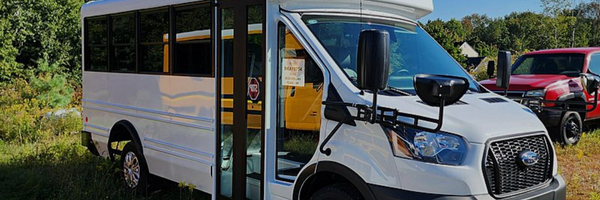
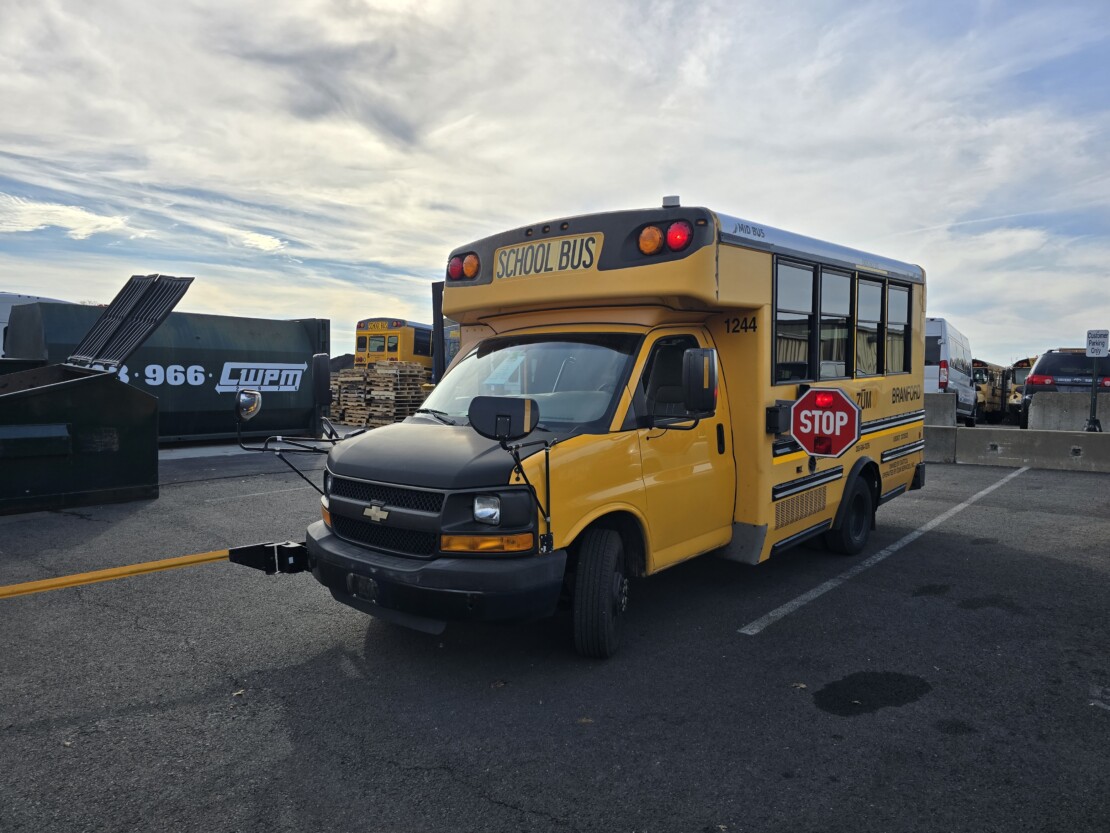
Commonly referred to as “short buses,” mini school buses have the shortest wheelbases of any standard size bus. That shorter length translates to smaller passenger capacity, with Type A buses holding only up to around 30 passengers.

Mini school bus capacity also depends on the equipment installed on the buses. These buses can easily be — and often are — configured with accessibility equipment like wheelchair lifts that take up seating space.

The flexibility of Type A buses makes them a popular choice for special needs bus routes, as they can be configured to serve the needs of specific students. While the smaller wheelbase limits the number of passengers they can carry, it also allows them to be more fuel efficient and maneuverable. This makes mini school buses a great choice for institutions with bus routes through dense urban centers, especially private schools with smaller enrollments.

Conventional School Buses (Type C)

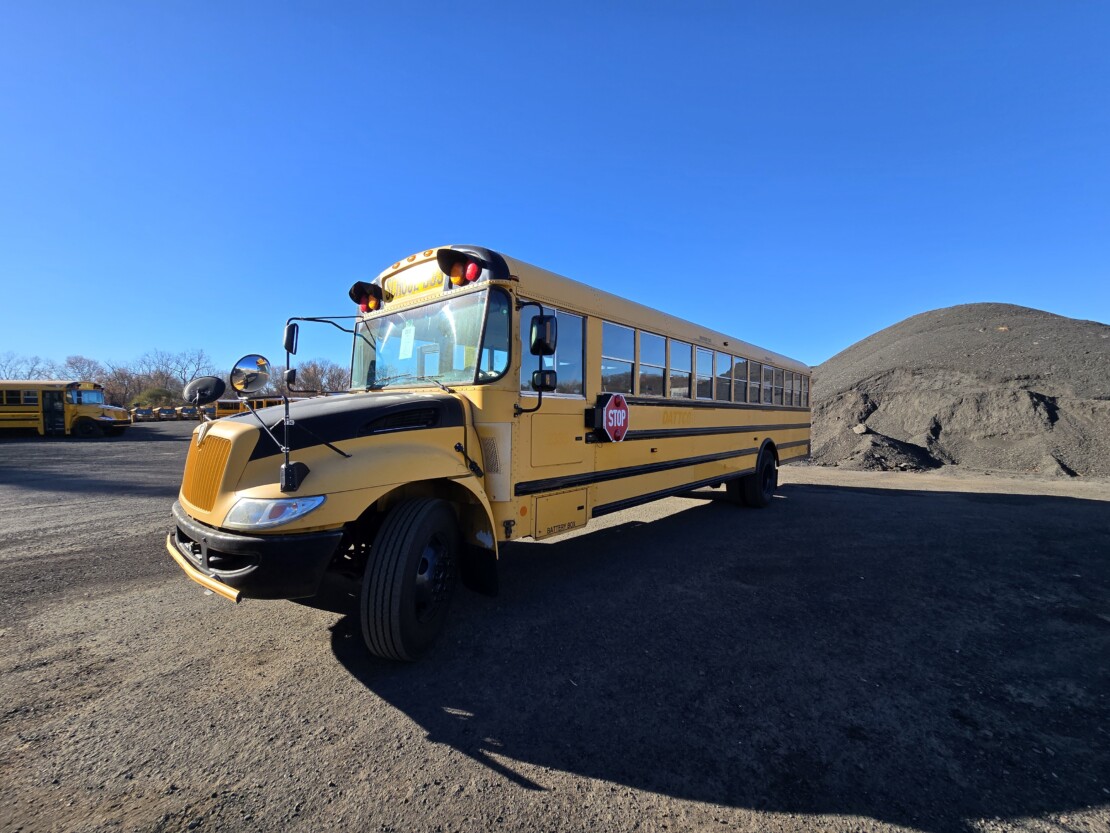
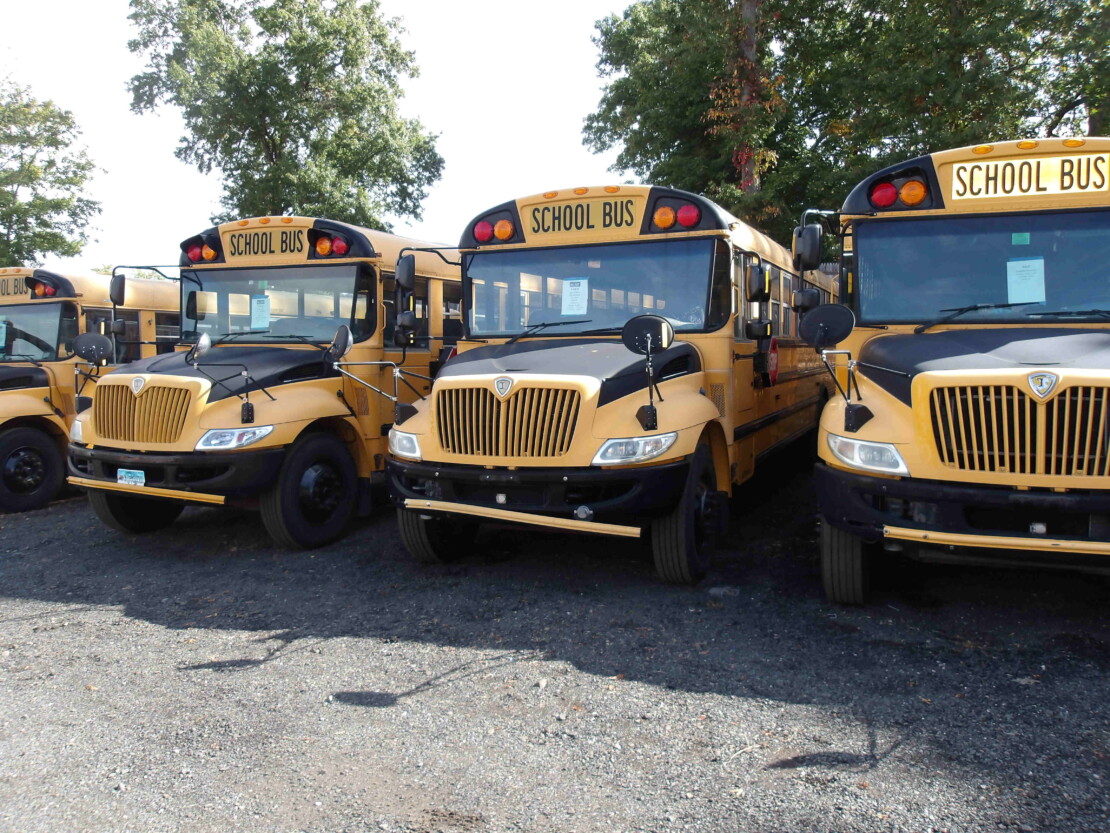
Type C buses are the big yellow vehicles people tend to think of when they picture a North American school bus. They have a large capacity, with the ability to carry up to around 84 passengers.

At up to 45’ long, conventional school buses are limited in where they can operate. The longer wheelbase means Type C buses have a large turning radius and may not be able to navigate tight city streets easily or even safely.

However, conventional buses are usable in all but a few very specific areas. They make a strong option for any institution that serves suburban, rural, and even many less-dense urban areas. Their capacity can help reduce the number of routes needed, helping to keep operating costs down.

Transit-Style School Buses (Type D)

Also called “flat-nose buses” due to their distinct appearance, Type D buses are the highest-capacity standard bus size in use. They get their look from the placement of the engine, which is typically located underneath or behind the driver instead of the front of the chassis. 

Type D — or “transit-style” — buses can be up to 45’ long and hold as many as 90 passengers in some cases. But this superior capacity comes at the cost of the buses’ turning radius and maneuverability. They also sacrifice fuel efficiency in exchange for capacity.

In recent years, Type D buses have fallen increasingly out of use. Some major manufacturers, such as IC Bus, no longer produce transit-style buses due to shrinking market demand. Still, used Type D buses or new Type D buses that are still around can be a good choice for schools that have a variety of transportation needs beyond simply daily routes.

Activity Buses (MFSABs)

The designation of multifunction school activity buses (MFSABs) has less to do with their size and more to do with their equipment. They are typically built on the same chassis as mini school buses and conventional buses, meaning they can range between 19’ and 45’ in length.

The key difference between MFSABs and Type A and C buses is in how they are outfitted and used. MFSABs are not required to have stop arms or flashing safety lights like Type A and Type C school buses. This is because they are not used — and, due to the lack of this equipment, cannot be used — for daily school pick-up and drop-off routes.

That means that MFSABs can’t take the place of “normal” school buses. However, they can be a useful addition to any school’s fleet as a special activity bus. MFSABs are often used to transport students to and from things like sporting events and field trips and are built to the same high safety standards as traditional school buses.

Which Size School Bus Do I Need?

As you can see, different sizes of buses make better options for some schools and purposes than others. The best size school bus for your institution will depend on your specific needs.

School Bus Sizes: What To Consider

In this section, we cover the key factors to consider when deciding on the right size school bus for your school or district.

Number of Passengers

Your first consideration should be the number of students you need to serve with your school bus. Most larger schools and districts can use the capacity of a Type C bus to help reduce the number of routes while serving their large student populations. However, smaller private schools and even some districts may be able to fulfill their daily transport needs with a mini school bus.

Base your calculations on the maximum number of students you may need to serve, rather than your average ridership. Students who usually have their own transportation to and from your school may need to ride the bus occasionally or switch to riding the bus if their parent or guardian has a change in their work schedule or they experience other changes in their situations.

Passenger Needs

The accessibility needs of your students is another primary factor to consider. If you serve even a single student that requires ADA-compliant equipment, such as a wheelchair lift, you’ll have to ensure that your school buses can provide that equipment.

Mini school buses are generally the easiest to outfit with accessibility equipment. Some types of ADA-compliant equipment may not be possible to install on a Type C bus. In many cases, schools may only have a few students with accessibility needs, meaning passenger capacity isn’t as much of a concern as the ability to adequately serve everyone.

School Bus Purpose

Most school buses on the road are used for daily pick-up and drop-off routes. But you may also need an activity bus for other purposes, such as transporting students to and from sporting events or field trips. While you can use conventional school bus types for these purposes, MFSABs and other buses designed specifically for long-distance usage may be worth adding to your fleet.

Buses designed as “activity buses” can be outfitted with comfier seats and other touches that provide a better experience for long hauls than standard buses. Since this equipment only needs to be added to one (or a few) buses and not the whole fleet, the additional cost at the fleet level is not impacted significantly. 

Private schools can also use their buses as a branding opportunity. Outfitting your buses with luxury touches can help promote the image of an elite school that provides a top-tier student experience from door to door.

Future Growth

Most school buses stay in use for well over a decade. As a result, you don’t just need to plan for how you will use it now, but also for how you will use it in the future. This often means accommodating more students as your school or the area your district serves grows.

In other words, you may be able to get by with a mini school bus right now, but five years from now when your student body has grown substantially, that Type A bus may not be enough. This is an especially important consideration for schools located in areas experiencing rapid growth or private schools that have the goal of expanding their enrollment in the coming years.

Finding the Right School Bus Size

Ultimately, the right size of school bus comes down to the transportation needs of your student body. School buses of any size are a considerable investment for any institution or district, so your purchase decision can have significant financial consequences. 

In many cases, the answer of which size school bus you should buy can be crystal clear and completely obvious. But in others, it may be difficult to make a decision. 

In those cases, we’re here to help you find the best solution for your needs. As New England’s number one bus dealer, our team has a wealth of experience helping purchasers make smart choices that improve their student experiences without breaking the bank.

Reach out today to speak with one of our school bus experts to get started on finding the perfect bus for your school or district — whatever size it may be.

yellow type a school bus with lights on
By 0 Comments

How Much Does a School Bus Cost? 2025 Prices

What’s the average price of a school bus? If you know school buses, you know that’s a question that’s impossible to answer with a simple number. Not only are there several types of buses that range in cost, there are also a few factors that can create a wide range of costs even among the same type of bus.

To help you plan your next bus purchase, we created this guide to cut through the noise and provide you with reliable information about how much you can expect to pay and what goes into those prices. As New England’s number one bus dealer, we’ve helped schools and districts with a sprawling range of budgets find buses that suit their needs. When you’re ready, we can help you, too. 

School Bus Costs: Different Types of School Buses

In the table below, you’ll find a summary view of the average cost ranges for the most common types of buses in North America. We’ve also included the passenger capacity range for each type for easy reference. You’ll learn more about these types of school buses below the table.

Type of School BusPassenger CapacityCost Range (New)
Type A10 – 30$100,000 – $120,000
Type C40 – 80$105,000 – 150,000
Type DUp to 90$120,000 – $180,000+
MFSABVaries$100,000 – 150,000

Type A (Mini School Bus)

Average Cost Range: $100,000 – $120,000

The smallest standard type of school bus in North America is the Type A bus, often referred to as a “short bus” or “mini school bus.” Typically built on a smaller cutaway or van chassis, Type A buses are also the least expensive type of bus. 

Mini school buses have a limited passenger capacity, but are more flexible than other types of buses in several key ways. Type A buses can be more easily outfitted with accessibility equipment to accommodate special needs students than other types. Their smaller size also makes them more fuel efficient and easier to maneuver through tight, dense urban streets than larger buses. 

Type C (Conventional School Bus)

Average Cost Range: $105,000 – $150,000

Type C buses are the category name for the classic big yellow American school bus. They are the most common type of bus used in North America for pick-up and drop-off school routes, which is why they have become so iconic. 

The main advantage of conventional school buses is their large capacity, with the ability to carry up to 84 passengers. This capacity helps limit the number of routes schools need to run to service their student population. So, while they do cost more than smaller buses, they can help keep the total fleet cost down by serving more students with fewer buses.

Type D (Transit-Style School Bus)

Average Cost Range: $120,000 – $180,000+

School buses with a flat front end typically fall into the Type D category, which offers the highest passenger capacity of any standard bus size. They also come at the highest price range of any type of school bus.

Despite their enormous carrying capacity, Type D — or, transit-style — school buses are beginning to become a thing of the past in recent years. Some school bus providers like Collins have elected to stop manufacturing Type D buses, and instead focus on other types. That means that, depending on demand in your area, you may be able to get an advantageous price on a transit-style school bus.

Multi-Function School Activity Bus

Average Cost Range: $100,000 – $150,000

Multi-function school activity bus (MFSAB) is a term used for school buses that don’t necessarily have the same safety equipment as standard pick-up/drop-off route school buses. While lacking equipment like stop arms and flashing red safety lights means that a bus can’t be used for regular morning and afternoon routes, these buses can be used for other transportation purposes like field trips.

MSFABs are typically more customizable than other types of buses. They can be outfitted with different types of seats, for example, or luggage storage since functionality is often more of a priority than raw passenger capacity. This customizability means you can also expect a larger variation in price with MSFABs than with other types of school buses.

School Bus Cost Factors

The reason you’ll find such wide cost ranges for school buses is that there are several factors that influence their cost. That also means more decisions to make on your end. 

In this section, we go over the main factors that influence the cost of a school bus and how they affect that cost.

Size and Capacity

Generally speaking, the larger the bus, the higher the cost. Larger buses require more materials and fixtures like seating and windows, but they also require larger engines and more substantial drivetrains to move them. You can expect the cost of a school bus to go up along with the number of seats.

Fuel Type

The type of fuel a school bus uses also has a substantial impact on its price tag. You typically have four options when it comes to fuel types: diesel, electric, gasoline, and propane.

Electric-motor school buses are the most expensive type of buses. They can often cost more than twice what their fossil-fuel counterparts cost, due to the more expensive motors and drivetrains they use. However, electric school buses may also be eligible for large federal, state, and local financial incentives that can reduce their purchase price.

There is less of a difference between the three types of fossil-fuel-based engines. Diesel-powered buses tend to be the most expensive of the three, especially when outfitted with new emissions-reduction technology. School buses with gasoline engines tend to have the lowest price points, but also tend to require more maintenance as they age. 

Equipment and Technology

When you purchase a school bus, the equipment and technology installed in that bus can make a big price difference. Modern features like GPS systems and ADAS or collision-avoidance technology adds cost, as does comfort and entertainment technology like air conditioning or TV screens.

If you need to serve students with accessibility needs, ADA-compliant equipment like wheelchair lifts can also add significant cost to the price tag. The same is true for other accessibility features like wider aisles.

Customization

You can also customize your school buses in ways that go beyond how they are equipped. Whether its interior features like more comfortable seating, upgraded interior finishes, or even custom paint jobs or branding, crafting your school bus into something uniquely your own will add to the cost.

Manufacturer

Like with any other product, you’ll also find a variation in cost between the companies that make school buses. Some manufacturers simply demand a higher price point.

The difference in price between manufacturers could be due to actual cost differences in materials and production. But that difference may not be due to anything material, and instead just based on name and reputation. That’s why comparing specs between similar buses is always a good idea.

New vs. Used

You also have the option to choose between buying a brand new school bus and a used one. Used buses have a lower price point than new buses, but that comes with a tradeoff. Older buses with more miles also tend to require more maintenance and may not be as fuel efficient as newer buses.

Additional School Bus Costs To Consider

The purchase price isn’t the only cost involved in buying a school bus — it’s just the first. In order to understand the true cost of buying a school bus, you’ll also need to factor in related costs that, while small in comparison to the purchase price, are still significant to your overall fleet cost.

Some of the main additional costs involved with buying and operating a school bus include:

  • Insurance: Your school or district will need to purchase a commercial auto policy to cover each bus and driver in order to operate legally. Depending on how you pay for your policy, this is a regular expense you’ll need to pay monthly, bi-annually, or annually.
  • Taxes and registration: Just like with your personal car, you will also need to pay property tax and registration for your school bus. The amounts you’ll have to pay for taxes and registration vary significantly by where you are located.
  • Maintenance and repairs: Any school bus will require regular maintenance to keep it in good operating shape, as well as occasional repairs to fix or replace components when needed. These costs tend to go up as buses get older and accrue more miles.
  • Driver training and certifications: You will also need drivers to operate your school bus fleet. Providing training for new drivers and obtaining the proper certifications to allow them to drive your buses legally are expenses to include in your calculations.
  • Fuel or charging infrastructure: Another substantial operating cost to consider is the fuel or energy that powers your buses. That means paying for fossil fuels for buses with traditional engines or installing and maintaining charging infrastructure for electric buses.

School Bus Costs

The math behind the true cost of a school bus can be complicated. It’s not an exact science, either. However, by knowing the cost ranges of different types of buses and the factors that influence their purchase price, you can get a better idea of what kinds of school buses fit your budget.

Buying a school bus at any price is a big decision, and at DeVivo Bus Sales, we’re here to help if you need it. As the go-to school bus experts in New England, we understand the ins and outs of bus pricing. We also have years of experience finding school bus solutions for any budget.

Reach out to our team of experts to learn more about the cost of a new (or used) bus for your fleet.

line up of 4 yellow school buses on gravel
By 0 Comments