Evacuation Drill Season Is Here: Are Your School Buses Actually Prepared?
Every fall and spring, school districts across the country conduct mandatory school bus evacuation drills. For transportation departments, these drills are more than just a requirement, they are one of the most important opportunities to prepare students and drivers for real emergency situations.
But here’s the question many districts should be asking this season:
Are your school buses truly prepared for an emergency, or are you simply checking a compliance box?
At DeVivo Bus Sales, we work with school districts throughout the Northeast that are focused on improving student transportation safety year-round, not just during drill season. And while evacuation drills are critical, the most effective districts use them as a way to evaluate the overall readiness of their buses, drivers, equipment, and emergency procedures.
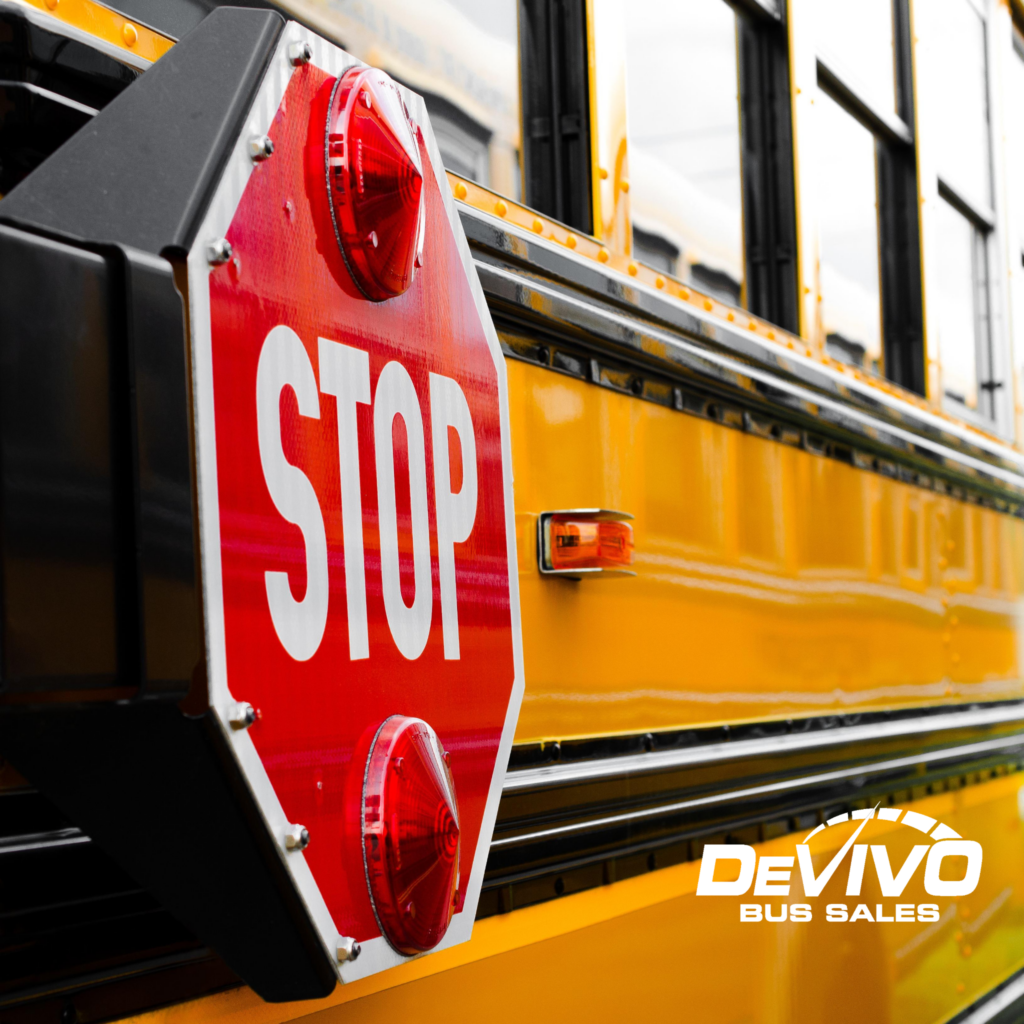
Why Evacuation Drill Season Matters More Than Ever
Student transportation directors face increasing pressure to improve safety standards while managing aging fleets, staffing shortages, and evolving transportation needs.
Evacuation drills help districts prepare for situations such as:
- Vehicle fires
- Mechanical failures
- Traffic accidents
- Railroad crossing emergencies
- Hazardous road conditions
- Emergency medical incidents
- Bus evacuations involving students with disabilities
The reality is simple: in a real emergency, students and drivers only have seconds to react.
That’s why drill season should be viewed as a district-wide safety assessment, not just a scheduled exercise.
What School Districts Should Be Evaluating During Evacuation Drills
The most effective school transportation teams use evacuation drills to identify weaknesses before an emergency occurs.
Here are several critical areas districts should evaluate this season:
1. Driver Readiness Under Pressure
A successful evacuation depends heavily on the bus driver’s ability to stay calm, communicate clearly, and guide students quickly.
During drills, districts should assess:
- Communication clarity
- Student control and organization
- Emergency exit procedures
- Evacuation timing
- Driver familiarity with equipment
- Ability to assist special-needs students
Even experienced drivers benefit from refresher training during evacuation season.
2. Emergency Equipment Accessibility
Many districts discover during drills that emergency equipment is difficult to access, outdated, or unfamiliar to drivers and students.
Key items to inspect include:
- Fire extinguishers
- Emergency roof hatches
- Side and rear exits
- Seat belt cutter
- First aid kits
- Reflective triangles
- Two-way communication systems
Routine inspections can help ensure equipment is functional and accessible when seconds matter most.
3. Student Familiarity with Emergency Procedures
Students often perform differently in real emergencies than they do in classrooms or assemblies.
Drills help transportation teams evaluate:
- Whether students know which exits to use
- How younger students respond under stress
- Traffic flow during evacuations
- Special assistance needs
- Accountability procedures after evacuation
Consistent repetition helps students build confidence and reduces panic during real incidents.
4. Fleet Condition and Bus Safety Features
Evacuation drill season is also an ideal time to review whether your current fleet supports modern safety expectations.
Newer school buses offer enhanced safety features that can improve emergency response and evacuation efficiency, including:
- Improved emergency exit accessibility
- Advanced camera systems
- Electronic stability control
- Enhanced visibility features
- Fire suppression systems
- ADA accessibility improvements
- Better driver communication technology
Districts operating older buses may find that safety limitations become more apparent during drills.
Common Issues Transportation Departments Discover During Drills
Many school districts uncover operational issues during evacuation exercises that otherwise may have gone unnoticed.
Common findings include:
- Drivers unsure about specific emergency procedures
- Students taking too long to evacuate
- Malfunctioning emergency equipment
- Poor communication between staff members
- Congested evacuation routes
- Accessibility challenges for students with mobility needs
Identifying these issues during a controlled drill environment is far safer than discovering them during an actual emergency.
School Bus Safety Is More Than Compliance
Federal and state evacuation drill requirements exist for a reason, but truly effective transportation programs go beyond minimum compliance standards.
The strongest school transportation departments focus on:
- Ongoing driver training
- Fleet modernization
- Preventive maintenance
- Student education
- Emergency preparedness planning
- Reliable safety technology
- Clear district-wide procedures
Evacuation drills should reinforce a broader culture of safety throughout the transportation department.
Is Your Fleet Supporting Your Safety Goals?
For many districts, evacuation drill season raises important questions about fleet age, maintenance demands, and long-term transportation planning.
If your district is evaluating:
- Replacement school buses
- Fleet upgrades
- ADA-accessible transportation
- New safety technologies
- Type A, C, or D bus options
- Preventive maintenance support
The team at DeVivo Bus Sales can help you explore solutions tailored to your transportation needs.
As an authorized dealer for leading manufacturers including IC Bus and Collins Bus, DeVivo works with school districts across the Northeast to support safe, reliable student transportation.
Need help evaluating your school bus fleet or safety readiness?
Explore school bus inventory, transportation solutions, and fleet support services for school districts across the Northeast.