5 Signs It’s Time to Replace Your Commercial Bus
Running a reliable commercial bus operation requires knowing when to hold on and when to let go. Whether you manage a hotel shuttle service, a church transportation program, or a corporate fleet, understanding the right time to replace your commercial buses can save you thousands while ensuring passenger safety and satisfaction.
At DeVivo Bus Sales, New England’s #1 commercial bus dealer, we’ve helped countless fleet managers make informed replacement decisions. Here are five clear signs it’s time to upgrade your commercial bus.
1. Increasing Maintenance Costs Are Outpacing Vehicle Value
One of the most telling indicators that a bus has reached the end of its useful life is when repair costs consistently exceed 30-40% of the vehicle’s current market value. If you’ve recently invested in a transmission rebuild, HVAC system replacement, and suspension overhaul all within the same year, you’re subsidizing a depreciating asset.
Commercial buses typically see major component failures after 150,000 miles, with costs escalating dramatically in their later years. Engine replacements, transmission work, and aftertreatment system maintenance (DPF, SCR, DOC) require specialized expertise and expensive diagnostic equipment. When repair invoices start outweighing what the bus is actually worth, it’s time to have a serious conversation about replacement.
2. Frequent Breakdowns Are Affecting Service Reliability
Nothing damages your reputation faster than unreliable service. If you’re holding your breath every time the engine starts, or if breakdowns during peak service windows have become routine, your bus is sending you a clear message.
Track the data: How many service cancellations have you had this year? How often are you deploying backup vehicles? What’s your actual downtime costing in terms of lost revenue and customer trust? Breakdowns during critical times (morning hotel shuttles, event transportation, or scheduled routes) can cost you contracts and loyal customers.
3. Safety Concerns and Outdated Technology
Safety should never be negotiable. Older commercial buses lack the advanced safety features that have become standard in modern vehicles, including:
- Advanced Driver Assistance Systems (ADAS)
- Anti-lock braking systems (ABS)
- Traction control
- Lane departure warning
- Improved structural integrity
- Modern lighting and visibility enhancements
Beyond safety equipment, outdated buses also miss out on efficiency-enhancing technology like sophisticated diagnostics, fleet telematics, and modern emission control systems. The transportation landscape is changing rapidly, with electrification, alternative fuels, and connected vehicle technology becoming increasingly important. Holding onto older vehicles means falling behind on these critical advancements.
4. Passenger Complaints About Comfort and Condition
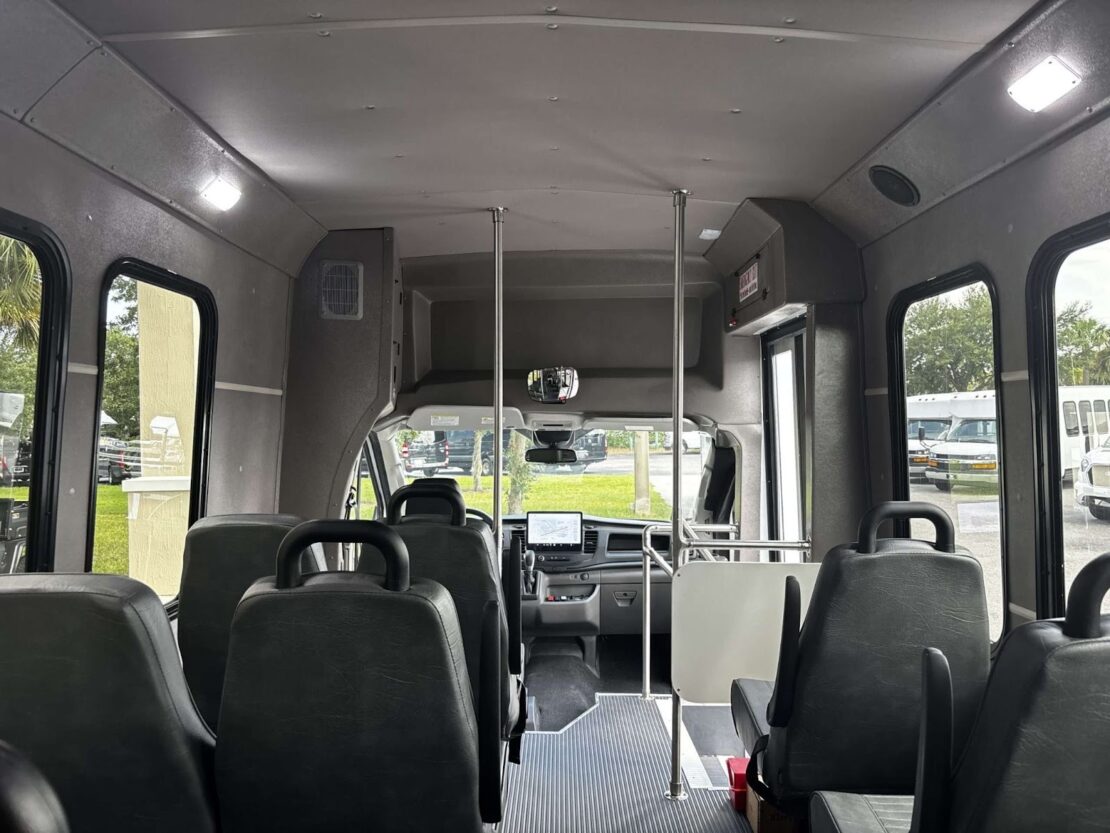
Your passengers are your best source of honest feedback. If you’re hearing consistent complaints about uncomfortable seats, poor climate control, excessive noise, or worn interiors, it’s affecting their experience and your business.
Modern commercial buses offer dramatically improved passenger comfort features:
- Turtle Top models feature comfortable interiors with multiple seating configurations, ample legroom, superior air conditioning and heating systems, and smooth, quiet rides with advanced sound dampening
- Diamond Coach buses are renowned for their composite construction that eliminates the creaks and rattles common in metal buses, providing exceptional temperature control and a remarkably quiet passenger experience
First impressions matter, especially in hospitality and corporate transportation. A clean, comfortable, modern bus tells passengers you value their experience. A worn-out bus with stained seats and questionable HVAC tells them something else entirely.
5. Fuel Efficiency is Declining Significantly
As buses age, fuel efficiency inevitably declines. Worn engines, aging transmission components, and deteriorating aerodynamics all contribute to increased fuel consumption. When you’re spending substantially more on fuel for the same routes you’ve always run, that’s money leaving your budget every single day.
Modern commercial buses notably deliver better fuel economy than vehicles from even 5-10 years ago.
Calculate your actual fuel costs over the past two years. If you’ve seen a steady increase that can’t be attributed to fuel prices alone, your aging bus is literally burning through your profits.
When Repair Doesn’t Make Financial Sense
The math is straightforward: when the cost to repair a major component approaches or exceeds the cost of several monthly payments on a newer vehicle, replacement becomes the smarter financial decision. This is especially true when considering:
- The likelihood of additional failures in other aging systems
- The improved reliability and reduced downtime of newer vehicles
- Warranty coverage on newer purchases
- The resale or trade-in value your current bus still retains
Smart fleet managers recognize this tipping point and act before they’ve invested more than the bus is worth.
How DeVivo Bus Sales Makes Fleet Replacement Easy
With locations throughout New England, DeVivo Bus Sales offers unmatched local support and expertise for commercial bus fleet replacement.
Our mission is simple: offer the best selection, best price, and best service of any bus dealer in New England. We understand the challenges you face and provide real solutions.
Don’t wait until a catastrophic breakdown leaves you scrambling for solutions. Proactive fleet management means evaluating vehicles before problems escalate, maintaining service reliability, and protecting your business reputation. Contact DeVivo Bus Sales today.